
01
F1inTOF1inTO
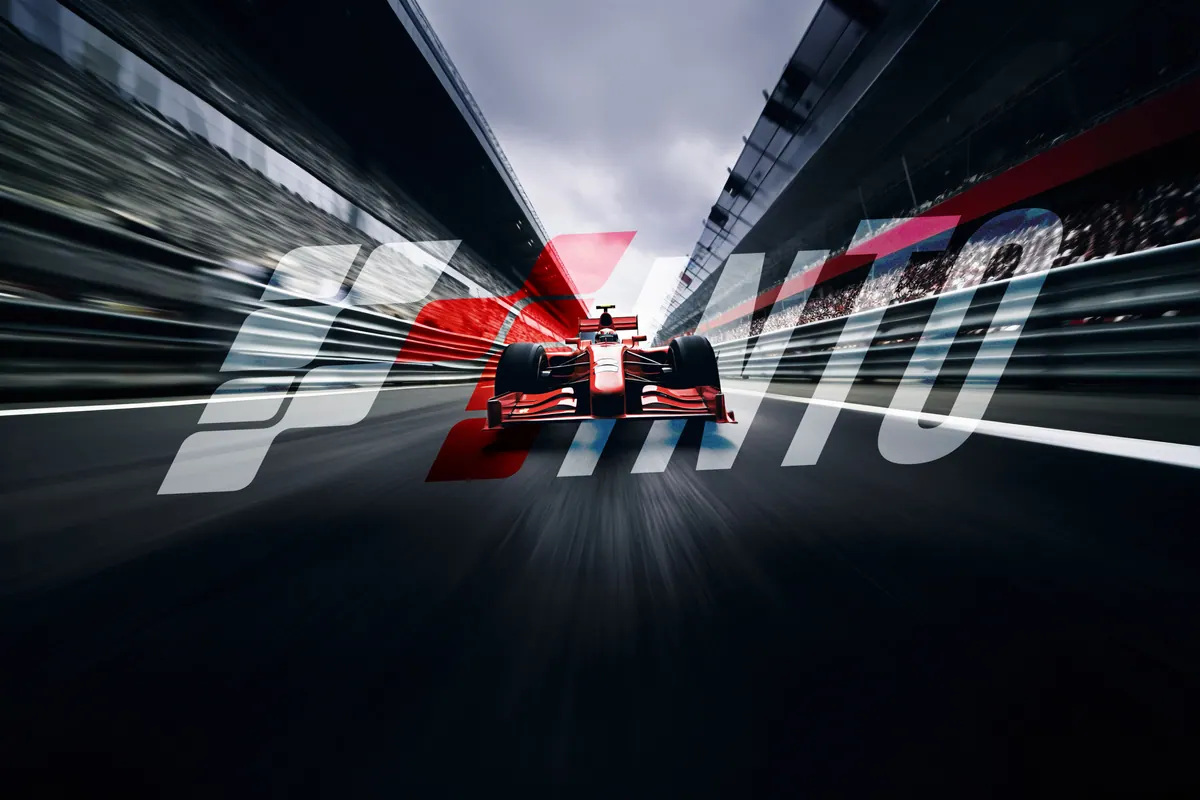
We took F1inTO over and built it into the biggest race day in Toronto.
Live / Events and motorsport / Toronto / 2026
Culture Cartel is a Toronto experiential marketing agency that designs and runs live brand experiences, from trade show stands and launches to event properties it owns outright, like F1inTO. Founder Jarryd McDonald leads every concept, so the idea, the build and the night itself sit with one senior team.
Brands we have worked with
Most brand events are forgettable because they are planned backwards. Venue first, budget second, idea last. We start from the other end: who is in the room, what they should feel, and what they will say about it on the way home. The venue and the build follow from that.
Culture Cartel Live is the division that does this work. It designs experiences for clients and builds original event properties of its own.
Owning F1inTO changes how we advise clients. We sell the tickets, sign the partners, brief the bar staff and read the feedback the morning after. That is a different kind of knowledge from planning someone else’s event once a year. It shows up in the details clients usually only learn the hard way: sightlines, queue flow, how long a crowd will stand still, and what a sponsor actually needs to renew.
It also means we treat an experience as a brand asset, not a one-off cost. The best ones come back next year with a bigger crowd.
Every experience gets a measurement plan before the build starts. Attendance is the floor, not the goal. We look at partner value, content captured, leads collected, social reach and repeat intent, then report back in plain language. If something did not work, the debrief says so.
Experiential rarely stands alone. A launch needs a brand worth launching and content that outlives the night. Shorter, sharper moments in retail or on the street sit under brand activation. If the event is about music, sport or culture, see music and culture marketing.
Ready to scope one? Start here.
3 weeks
We define the audience, the moment and the one thing people should feel walking out. You get a named, costed concept with a look and a run of show.
2 to 4 weeks
Floor plans, renders, suppliers, permits and a budget you can defend upstairs. Partners are mapped and approached.
4 to 8 weeks
Fabrication, print, content, ticketing and staffing, tracked against one schedule.
Event days
Senior people on site from load-in to load-out, making calls in the room.
Week after
What worked, what it cost, what the room said, and what to change next time.
Any brand moment people attend in person: a launch, a pop-up, a stand, a watch party, a tour. The test is simple. If nobody would talk about it the next day, it was just an event.
Ten to sixteen weeks is comfortable for a mid-size activation. A trade show stand can move faster if the floor plan is fixed. A new event property needs longer, because the brand has to exist before the first ticket sells.
It depends on venue, build and headcount, so every brief is scoped on its own. The Live Event Concept Sprint is the fixed-scope way in. Pricing on inquiry.
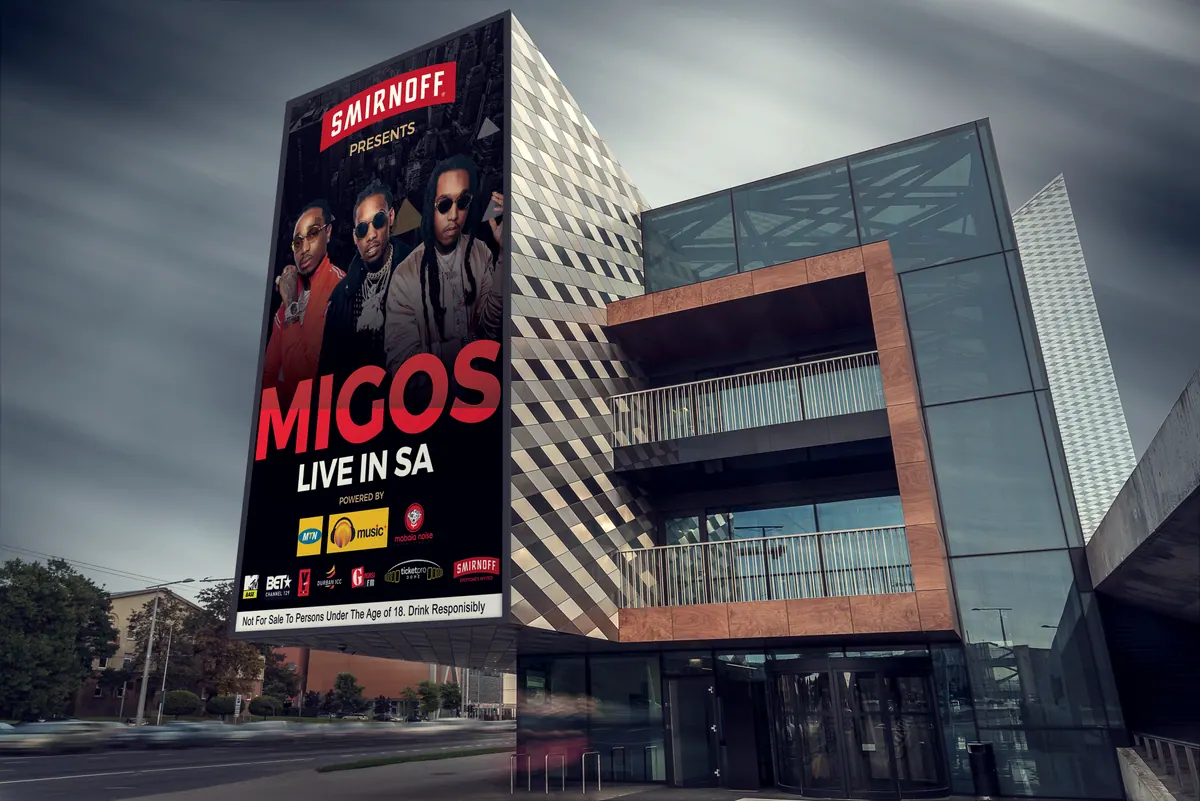
Yes. For the Migos Culture Tour in South Africa we raised more than $5M in brand partnerships. F1inTO runs with partners including Monster Energy, Side Launch and The Loose Moose.
Yes. Toronto is home, but the live work spans New York, Johannesburg and Cape Town. Travel is scoped into the plan from the start.