
01
CanBuyCarsCanBuyCars
One system to capture, track and convert every car lead.
Digital / Automotive and ecommerce / Toronto / 2023
Culture Cartel helps Toronto businesses with AI marketing integration: finding where AI saves real time or wins real customers, then setting up the tools, workflows and guardrails so your team uses them properly. It is led by Jarryd McDonald, a former CMO, so the starting point is your marketing plan, not the latest tool.
Brands we have worked with
Most AI rollouts in marketing stall for the same reason. Someone buys a licence, runs a lunch-and-learn, and three months later nobody uses it. The problem was never the tool. Nobody mapped it to a job that mattered.
We start where a CMO would. What is the marketing plan this year? Where does the team lose hours? Where do leads wait too long for a response? Where is reporting manual and late? AI goes where the answers are, and nowhere else.
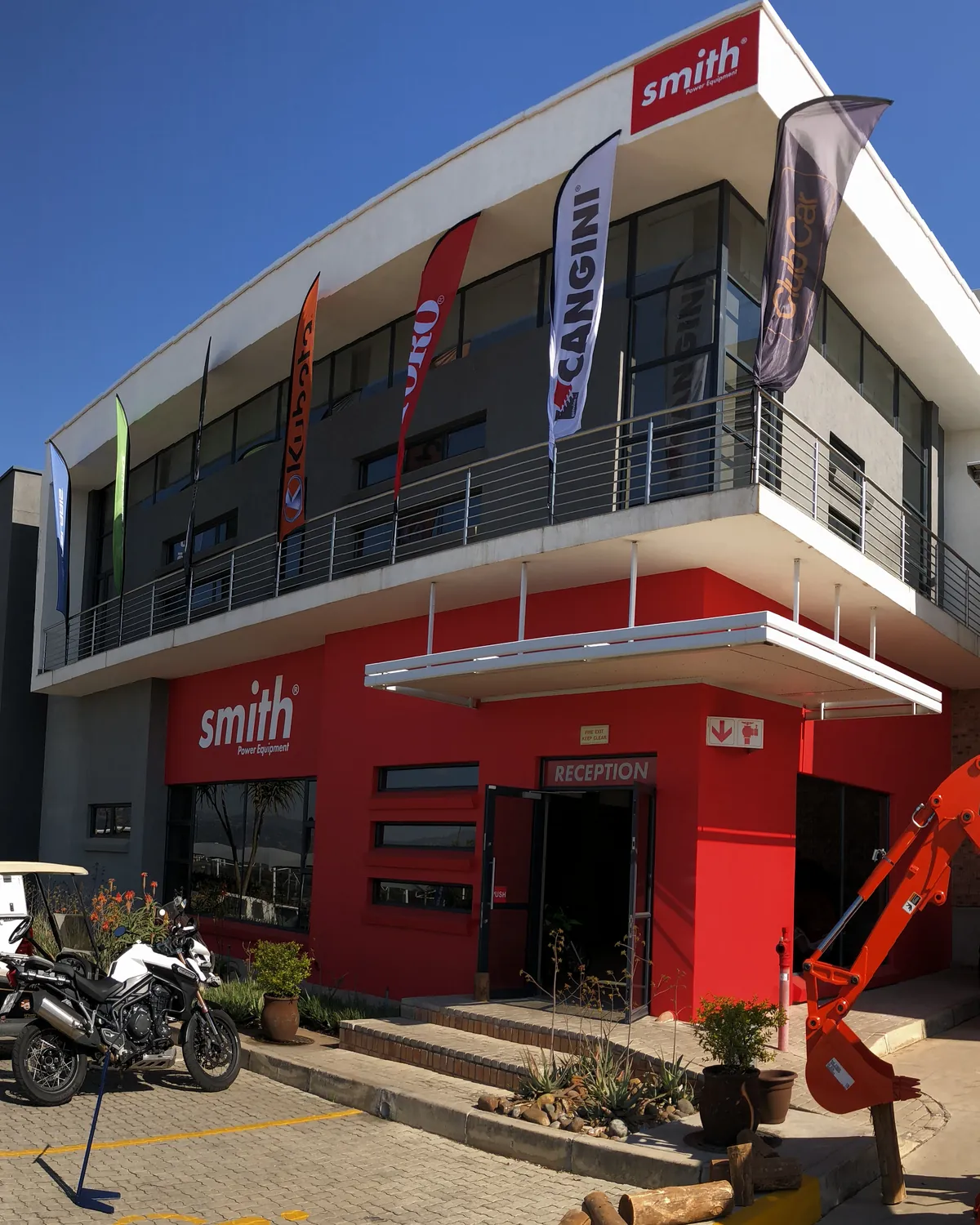
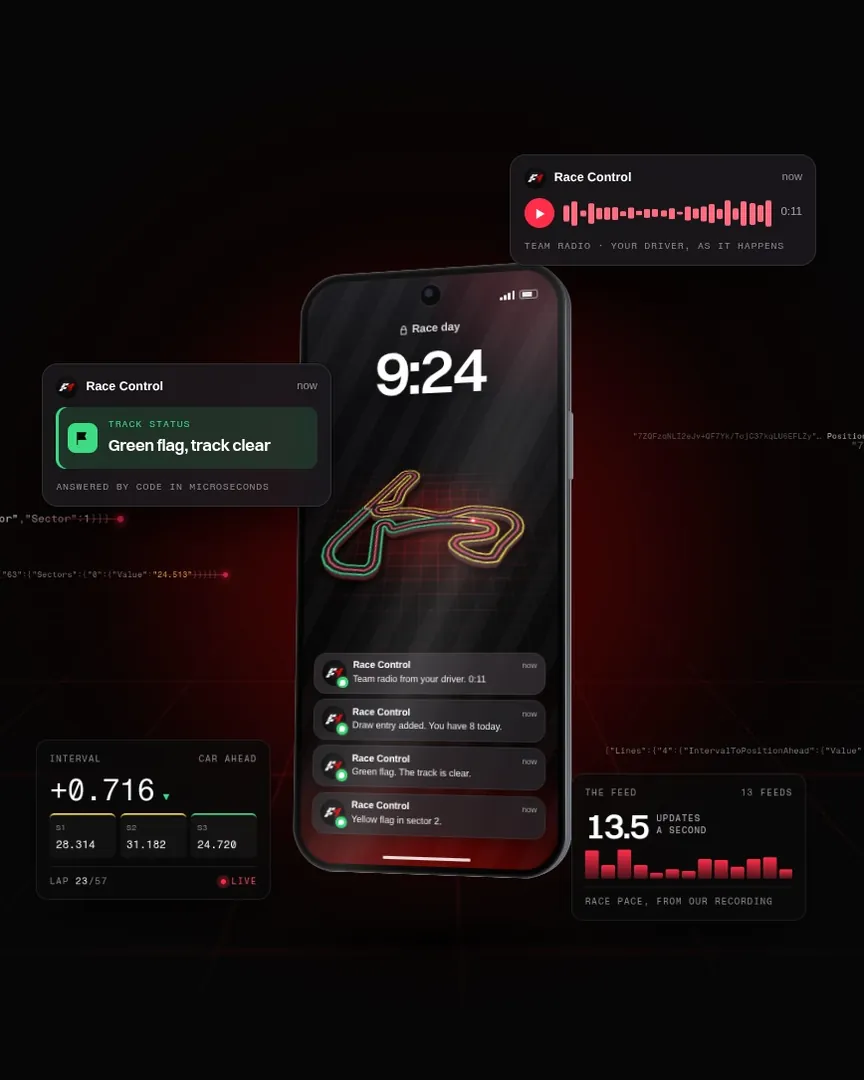
AI integration is really marketing operations with better tools. That is a discipline we have run for years. At Smith Power Equipment we built 19 separate marketing roadmaps across six countries and a program that unified marketing professionals across ten countries into one team. At Reesink Canada Wholesale we operated as the outsourced marketing department, running content, web and email for a national dealer network. At CanBuyCars we built Snap My Car, an appraisal app that triggers dealership workflows automatically. The pattern is the same: find the repetitive step, systemise it, and free people up for judgement.
Brand voice, approved facts, data privacy and human sign-off are designed into every workflow. If your industry has rules about claims or customer data, we work within them from day one.
Lean teams who need more output without more headcount. Leaders who know AI matters but do not want to bet the brand on an experiment. Businesses that want a senior adviser, not a software reseller.
For broader senior leadership, see fractional CMO. For the paid and lead side, see digital marketing.
Weeks 1 to 2
Interviews with the people doing the work, a look at your tools and data, and a map of where hours actually go.
Week 3
Three to five use cases ranked by impact and effort. Some will be small. That is fine.
3 to 6 weeks
Workflows set up with your team, tested on live work, with brand and data guardrails in place.
2 weeks plus follow-up
Playbooks, training sessions and a check-in after a month to fix what is not sticking.
No, and we will not pitch it that way. In our experience AI removes the repetitive parts of the job, which gives good people more time for the judgement work that actually moves the business.
We are tool-agnostic. The right choice depends on your data, your security requirements and what your team already uses. We recommend tools after we understand the workflow, not before.
Most engagements run six to ten weeks from review to handover. A single focused workflow can be live sooner.
The review is a fixed scope. The build and training phase is quoted on the use cases you choose to pursue. Pricing on inquiry.
Guardrails. A written voice guide, approved facts, clear rules on what must be human-reviewed, and a named owner for sign-off. No AI output goes public without a person checking it.